


Challenges while designing new solar structures
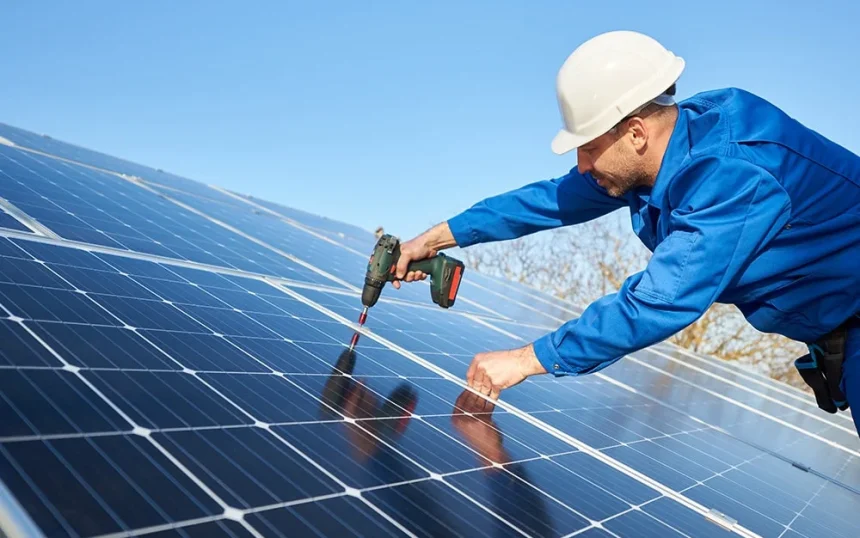
Solar energy is a powerful, sustainable solution that is reshaping how we generate and consume power. As more individuals, businesses, and governments invest in solar technologies, designing new solar structures has become a key component of this renewable energy transition. However, the design and implementation of solar structures come with unique challenges that require careful consideration and expertise. In this article, we’ll explore some of the primary challenges that designers and engineers face when creating new solar structures and systems.
1. Site Evaluation and Location Constraints
A critical first step in designing solar structures is conducting a thorough site evaluation. The location of the solar system plays a pivotal role in the efficiency and effectiveness of the energy generation process. Some challenges in site evaluation include:
- Shading: Buildings, trees, or other structures can cast shadows on solar panels, significantly reducing their energy output. Even partial shading can impact efficiency.
- Roof Space: For residential and commercial rooftop solar installations, the available roof space can limit the number of panels that can be installed. Factors such as roof orientation, pitch, and obstructions like chimneys or vents must be considered.
- Climate and Weather Conditions: Local weather conditions, including snowfall, humidity, and wind, can affect the performance of solar panels. For example, heavy snowfall can obstruct solar panels, and extreme temperatures can reduce panel efficiency.
2. Structural Integrity and Load-Bearing Capacity
Designing solar structures that are both efficient and safe requires understanding the load-bearing capacity of the installation area. Solar panels and their supporting frames can add weight to rooftops, ground mounts, or other structures.
- Roof Load Considerations: Existing buildings must be able to support the additional weight of solar panels without compromising structural integrity. Some older buildings may require reinforcement before installation can take place.
- Wind Resistance: Solar panels mounted on rooftops or ground-based structures need to be able to withstand wind loads, especially in regions prone to heavy winds or storms. Engineers must ensure that the mounting systems are securely anchored to avoid damage during extreme weather events.
- Seismic Considerations: In earthquake-prone areas, designing solar structures to withstand seismic activity is an important consideration. The mounting systems must be able to absorb shock and prevent displacement during tremors.
3. Aesthetic Integration
While the primary goal of solar panels is to generate electricity, integrating them into the design of a building or structure without compromising aesthetics is a challenge. This is especially true for residential homes, historical buildings, and architectural designs where visual appeal is a priority.
- Blending with Existing Architecture: Solar panels need to be integrated into the existing design, ensuring they complement the architectural style without disrupting the overall look. Designers often need to find solutions that allow for the panels to blend in or remain discreet while still being effective.
- Innovative Solar Technologies: To overcome aesthetic challenges, innovative technologies like solar roof tiles or building-integrated photovoltaics (BIPV) have been developed. These alternatives provide an elegant solution, but their costs and energy efficiency can vary compared to traditional panels.
4. Energy Storage and Management
In many solar installations, energy storage solutions, such as batteries, are necessary to store the energy produced for use during the night or periods of low sunlight. Designing an efficient energy storage system that integrates well with the solar structure poses its own challenges.
- Battery Sizing: Determining the proper battery size is a complex task. The battery must be large enough to store the energy generated during the day to meet energy demands at night or during cloudy days, but not so large that it leads to wasted energy or excessive costs.
- System Compatibility: The energy storage system must be compatible with the solar panel inverter and other components. Ensuring seamless integration and communication between all parts of the system is crucial for maximum performance.
- Battery Lifespan: Batteries degrade over time, and choosing the right battery with a long lifespan and efficient performance is essential for minimizing replacement costs and downtime.
5. Regulatory and Permitting Challenges
The design and installation of solar structures are subject to local regulations, permitting, and safety standards. Designers must navigate complex permitting processes and ensure compliance with building codes, zoning laws, and utility company requirements.
- Permits and Approvals: Obtaining the necessary permits can be time-consuming and involve multiple agencies, including local authorities, utility companies, and safety inspectors. Regulations may vary from one region to another, and failure to comply with these regulations can lead to delays or fines.
- Net Metering and Grid Integration: In areas where solar energy systems are connected to the grid, designers need to ensure that the system is compatible with net metering policies. Net metering allows homeowners and businesses to sell excess energy back to the grid, but the grid’s infrastructure and regulations must support such integration.
6. Environmental Impact
While solar energy is a clean and sustainable energy source, the process of manufacturing and installing solar panels can still have environmental implications. Designers must consider the life cycle impact of the materials used, from production to disposal.
- Material Selection: Choosing materials that are durable, recyclable, and eco-friendly is essential to minimizing the environmental footprint of solar systems. Many solar panels use materials such as silicon, aluminum, and glass, which can be recycled, but there is still a need for better recycling solutions in the industry.
- E-Waste Management: Over time, solar panels may reach the end of their useful life and need to be disposed of properly. Designing systems that account for decommissioning and disposal is a challenge that needs to be addressed to reduce e-waste.
7. Cost and Financing
While the cost of solar technology has decreased significantly in recent years, the upfront cost of designing and installing a solar structure can still be a barrier for many consumers. Designers must work within budget constraints while ensuring high-quality, efficient installations.
- Upfront Investment: Solar installation costs vary depending on the size of the system, type of panels, and energy storage options. Although the long-term savings on energy bills are substantial, the initial investment can be daunting.
- Financing Options: Offering financing solutions and helping clients navigate incentives, rebates, and tax credits can help overcome financial hurdles. The design must take into account the potential return on investment (ROI) for customers.
8. Technological Advancements
Solar energy is a rapidly evolving field, and new technologies continue to emerge. Incorporating cutting-edge technologies into solar structure designs can be both an opportunity and a challenge.
- Efficiency Improvements: As solar panel efficiency improves, designers must stay up-to-date with the latest advancements to ensure that the systems they design are utilizing the most efficient and effective technologies available.
- Tracking Systems: Some solar systems incorporate solar tracking technology, which allows the panels to follow the sun’s movement throughout the day, maximizing energy capture. These systems are more complex and expensive but offer higher energy yields.
Conclusion
Designing new solar structures involves navigating a range of challenges, from site evaluation and structural integrity to energy storage, aesthetics, and regulatory compliance. By understanding and addressing these challenges, solar designers and engineers can create efficient, cost-effective, and sustainable solar energy systems. Despite these obstacles, the potential benefits of solar energy—reduced energy costs, environmental sustainability, and energy independence—make it a worthwhile investment for the future.