


Solar Design Journey: From Concept to Completion
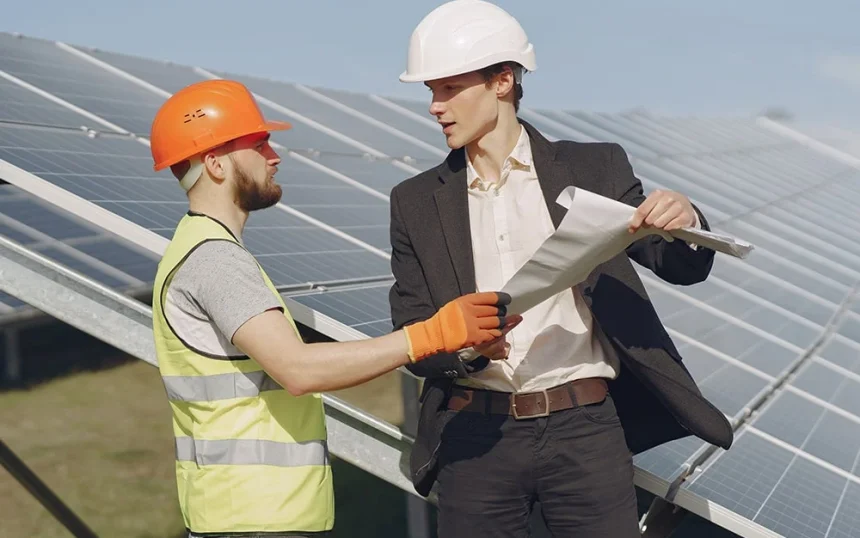
The journey of designing and installing a solar energy system involves a comprehensive process that transforms a concept into a fully functional, efficient energy solution. From the initial consultation to the final installation and beyond, each step is essential in ensuring that the solar system meets the specific energy needs of a home or business. This article explores the entire solar design journey, outlining each key stage from start to finish.
1. Initial Consultation and Site Assessment
The journey begins with an initial consultation, where the solar provider discusses the client’s energy needs, budget, and goals. This is a crucial step in understanding the expectations of the client and determining whether solar power is the right fit for their energy requirements.
Following the consultation, a site assessment is conducted to evaluate the location where the solar panels will be installed. This involves:
- Analyzing the roof’s condition, orientation, and available space for panel installation.
- Assessing the shading of the area to ensure that the panels will receive maximum sunlight exposure throughout the day.
- Reviewing local weather conditions and the average sunlight hours to gauge energy production potential.
This site assessment allows the design team to understand any limitations or challenges related to the installation and to provide solutions accordingly.
2. System Design and Customization
Once the site assessment is complete, the solar design team will develop a customized system design. This step involves tailoring the solar power system to meet the unique energy needs of the client. Key aspects of the design include:
- Panel Placement: Deciding where to place the panels to optimize energy production. The roof pitch, orientation, and available area are all considered in this process.
- System Size: Determining the right system size based on the client’s energy consumption. A properly sized system ensures the client can meet their energy needs while avoiding over or under-production.
- Inverter Selection: Choosing the appropriate inverter for converting DC power from the panels into usable AC power. The inverter must be matched with the size of the solar array to ensure maximum efficiency.
- Battery Storage (if applicable): In cases where clients want to store excess energy for later use, battery storage options are considered. This step allows families to use solar power even when the sun isn’t shining.
The system design process also involves ensuring compliance with local building codes and regulations, securing any necessary permits, and addressing any potential installation challenges.
3. Proposal and Contract Agreement
Once the design is finalized, the client is presented with a proposal that outlines the system details, estimated energy savings, pricing, installation timeline, and any financing options. The proposal also includes any applicable incentives, rebates, or tax credits that may reduce the upfront cost of installation.
Once the client approves the proposal, a contract agreement is signed, formalizing the terms of the project. This agreement ensures that both parties are clear on the scope of work, timeline, and payment structure.
4. Permitting and Approvals
Before installation can begin, the necessary permitting and approvals must be obtained. This includes submitting plans to the local building authority to ensure that the installation meets all regulatory and safety requirements. The permitting process can vary depending on the location, and the solar company often handles this step on behalf of the client.
In addition to local permits, utility companies may need to approve the connection of the solar system to the grid. The solar company will coordinate with these entities to secure the required approvals.
5. Solar Panel Installation
Once all approvals are in place, the installation team will begin the solar panel installation. This is the most exciting part of the journey, as the system begins to take shape. The installation process generally includes the following steps:
- Roof Preparation: Any necessary repairs are made to the roof before panels are mounted, ensuring the roof is in good condition to support the weight of the panels.
- Mounting the Panels: The solar panels are securely mounted on the roof using specialized brackets and racking systems. The placement ensures optimal sunlight exposure while minimizing the impact on the roof’s structure.
- Wiring and Inverter Setup: The electrical wiring is installed, connecting the solar panels to the inverter and the electrical panel of the building. The inverter is usually installed in a location that is easily accessible for maintenance.
- System Integration: If the system includes battery storage, the batteries are also installed and integrated with the solar panels. Additionally, monitoring systems may be set up to track the system’s performance.
The installation is done by a team of trained professionals who ensure that everything is securely set up, follows safety standards, and works seamlessly.
6. System Testing and Commissioning
Once the installation is complete, the system goes through testing and commissioning. This step ensures that everything is functioning correctly and optimally:
- Voltage Testing: Technicians test the voltage and current levels to make sure the system is generating power efficiently.
- Inverter Check: The inverter is tested to ensure that it is converting DC power into AC power effectively.
- Energy Metering: An energy meter is installed to measure the amount of electricity being generated and consumed.
Once the system passes all tests, it is officially commissioned, and the solar panels are ready to start producing power.
7. System Monitoring and Performance Checks
After installation, many solar companies offer monitoring services to track the performance of the system over time. Monitoring systems allow both the homeowner and the solar provider to keep an eye on energy production, ensuring that the system is running efficiently. If any issues arise, such as decreased energy output or equipment malfunctions, the monitoring system can alert the client and the provider, prompting timely repairs or adjustments.
Some solar systems also come with mobile apps that allow homeowners to track their energy usage, monitor savings, and even control certain aspects of the system remotely.
8. Ongoing Maintenance and Support
While solar panels require minimal maintenance, regular maintenance is essential to ensure optimal performance and longevity. Routine checks, cleaning, and inspections can prevent issues and extend the life of the system.
- Cleaning Panels: Dust, debris, and dirt can accumulate on the panels, reducing their efficiency. Regular cleaning ensures the panels continue to absorb sunlight effectively.
- Annual Inspections: A professional inspection once a year ensures that all components, including the inverter and battery, are functioning correctly.
- Repairs and Upgrades: Over time, certain parts of the system, such as the inverter, may need replacement. Solar companies typically offer repair services and can recommend upgrades as technology evolves.
Conclusion: A Sustainable Future Powered by Solar
The solar design journey is a process that takes a project from concept to completion, ensuring that every detail is considered and every need is met. From the initial consultation to the final system monitoring, the journey is marked by careful planning, expert design, and quality installation.
Solar energy offers a sustainable and cost-effective solution for families and businesses alike. As more people embrace solar power, the journey continues to evolve, promising a future where clean, renewable energy is available to all. Whether you’re looking to reduce your carbon footprint, save on energy costs, or achieve energy independence, the solar design journey is an exciting step toward a brighter, greener future.